How Much Does Interior Demolition Cost in Pennsylvania?
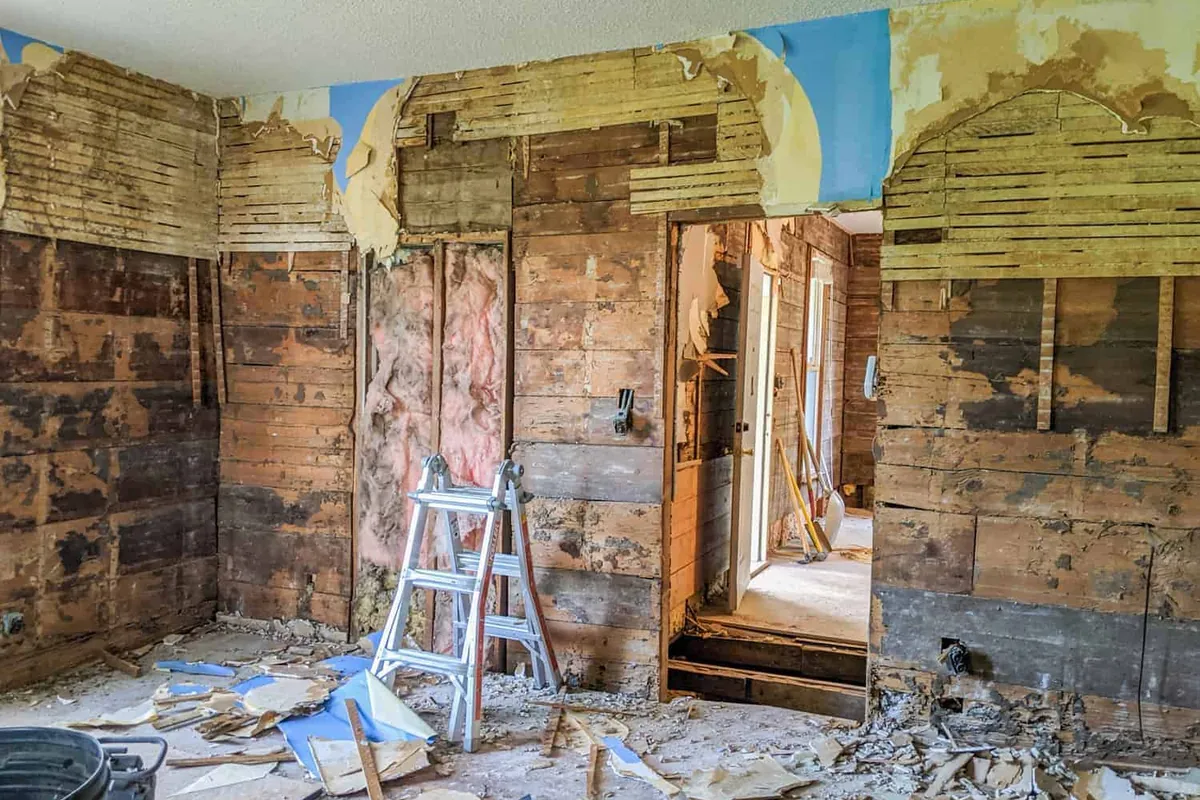
National cost guides put interior demolition at $2 to $10 per square foot. Most interior demolition projects run $1,000 to $5,000, and a 500-square-foot job comes in around $2,500. Gutting an average-sized house to the studs runs $2,000 to $20,000.
By room, cost guides put kitchen demolition at $500 to $3,000 for a smaller home. Bathroom demolition runs $550 to $1,500. Drywall removal runs $0.30 to $0.45 per square foot, and plaster wall removal runs $0.45 to $0.75.
Those are market numbers, not our price list. They are national ranges, and where a Pennsylvania job lands depends on the drivers below. Our interior demolition page covers how we handle gut-outs and selective demolition around Pittsburgh.
How much is interior demolition by room and by job?
The table pulls the published ranges together. Most rows come from one national cost guide, so they share one method. The lath and plaster row comes from a second guide whose figure includes setup, travel and debris disposal.
| Job | Published market range |
|---|---|
| Interior demolition, per square foot | $2 to $10 |
| Interior demolition, typical project | $1,000 to $5,000 |
| Interior demolition, about 500 square feet | Around $2,500 |
| Gutting an average-sized house to the studs | $2,000 to $20,000 |
| One room, per square foot | $4 to $6 |
| Kitchen demolition, smaller home | $500 to $3,000 |
| Bathroom demolition | $550 to $1,500 |
| Basement demolition | $5,000 to $25,000 |
| Drywall removal, per square foot | $0.30 to $0.45 |
| Plaster wall removal, per square foot | $0.45 to $0.75 |
| Lath and plaster removal with disposal, small job, per square foot | Starts at $4.57 to $9.44 |
| Cleanup after demolition (a dumpster or a cleaning crew) | $360 to $550 |
Cost guides say a kitchen or bathroom costs more to demo than a plain bedroom. Fixture removal, pipe removal and tile removal drive the price up. Cabinet removal alone runs $300 to $500.
Gutting the inside is a different job from taking the whole house down. Our post on what a whole-house teardown costs covers that work.
Why does plaster and lath cost more to remove than drywall?
Drywall comes down in sheets. It can be cut apart in large sections, which keeps the cleanup simple. Plaster has to be broken out, often piece by piece by hand. The wood lath behind it has to come out too.
That is slow, messy work. One national cost guide says to plan on about 50% more labor for a plaster wall than for drywall. It puts plaster wall removal at $0.45 to $0.75 per square foot, against $0.30 to $0.45 for drywall.
Guides do not agree on plaster, though. A second national guide starts lath and plaster removal at $4.57 to $9.44 per square foot. Its figure builds in setup, travel and debris disposal for a small job, so ask what any price includes.
This matters around Pittsburgh. Nearly half of Pittsburgh’s homes were built before 1940. If your walls are plaster, plan on a slower tear-out and more debris than the drywall numbers suggest.
What else moves the price of interior demolition?
Size comes first. Square footage and the number of rooms set the base. Cost guides say large, complete projects can cost less per square foot, since there are no surrounding areas to protect.
What has to stay comes next. Cost guides say the price climbs when the work has to go carefully around pipes or wires in the walls.
We have a building background, and it shows in selective demolition. We look at which walls carry weight and where the plumbing, wiring and ductwork run. Then we take out what has to go and leave what has to stay.
Floors, stairs and access add lines of their own. Cost guides put floor demolition at $400 to $1,100 per room and staircase removal at $300 to $4,000. A gut-out on an upper floor with a narrow stairway means more carrying for every load.
Debris is the last big piece. Cost guides put cleanup after demolition at $360 to $550, for things like a dumpster or a cleaning crew. Before a renovation, most contractors take care of the cleanup as part of the job.
We haul the debris off and leave the site clean. Our debris removal and hauling work also covers house and basement clean-outs ahead of a renovation.
What do lead paint and asbestos mean for the price?
Homes built before 1978 can hold lead-based paint. Under EPA rules, firms whose renovation work disturbs lead-based paint in those homes need EPA or state certification. They must also follow lead-safe work practices.
Old housing is the rule here. More than four in five Pittsburgh homes were built before 1980, and about three in four across Allegheny County. Davis Demolition and Masonry is an EPA Lead-Safe Certified Firm. Lead abatement is separate work for a certified abatement contractor.
Asbestos is the other layer. In Allegheny County, only a Certified Asbestos Building Inspector can do a thorough asbestos survey. Work for a private homeowner on a house with four or fewer units is exempt from the county rules. The exemption ends when the job is part of a larger project.
The county rules do cover commercial, institutional and industrial buildings. Federal asbestos rules cover any demolition or renovation at a commercial building, a tenant strip-out included. Our commercial demolition page covers that work.
Even where the county rules do not apply, cost guides note that older homes get checked for asbestos and lead. When asbestos turns up, a licensed abatement contractor removes it before we start. Cost guides put asbestos removal at $3 to $120 per square foot, a separate cost from the demolition.
Do you need a permit for interior demolition in Pittsburgh?
Inside the City of Pittsburgh, non-structural interior demolition goes in on a Building and Development Application. That covers interior finishes and elements only. The city’s demolition permit is for a whole building or a partial demolition.
Outside the city, your borough or township code office sets the rule. When we quote the job, we go over what your municipality requires and who handles each step. Our post on demolition permits in Pittsburgh covers whole and partial teardowns.
What is not in an interior demolition price?
An interior demolition price covers taking things out and hauling them away. Some work sits outside it:
- Abatement. A licensed abatement contractor removes asbestos, and lead abatement is its own service.
- Utility work. Power and water to the work area get shut off first. A licensed electrician or plumber disconnects and caps the lines. Cost guides list rerouting wires or pipes as an added fee.
- Structural changes. Cost guides say removing a load-bearing wall costs in the thousands. A structural engineer should look at it first.
- Rebuilding. New walls, drywall, cabinets and fixtures come from the contractor doing the remodel.
What is the next step for interior demolition around Pittsburgh?
Cost guides give you the bracket. Your number comes from the job itself. That means the square footage, the walls, what has to stay, the floors and stairs, and the haul.
Davis Demolition and Masonry is based in Pittsburgh and works about 40 miles around. We have been in the demolition business since 2001. We do gut-outs down to the studs and selective demolition for homeowners, contractors, investors and landlords. We keep you posted during the job and leave the site clean.
We look at the job and give you a price before any work starts. Call or text (412) 720-1866, or read more on our interior demolition service page.